Wednesday, October 31, 2018

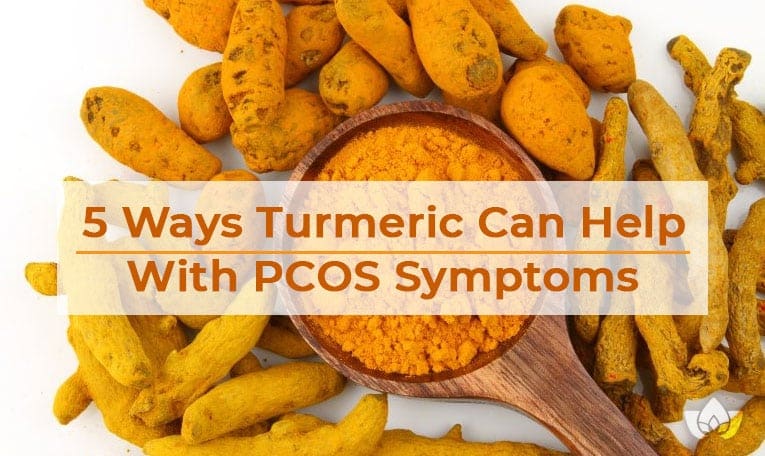
5 Ways Turmeric Can Help With PCOS Symptoms

5 Ways Turmeric Can Help With PCOS Symptoms | Mindful Healing | Mississauge Naturopathic Doctor

Polycystic ovary syndrome – also known as PCOS – occurs when women experience elevated levels of male hormones, called androgens.

It occurs most commonly in young women, from about 18-30 years of age, and is often a result of unhealthy lifestyle choices, such as eating too much fast, greasy food.

Some of the symptoms of PCOS include irregular menstruation, difficulty conceiving, excess hair over the face and body, acne, pelvic pain, and dark skin patches.

Luckily, researchers have linked relief and management of PCOS with the many benefits of curcumin, which we will look at here.

What Is Turmeric?

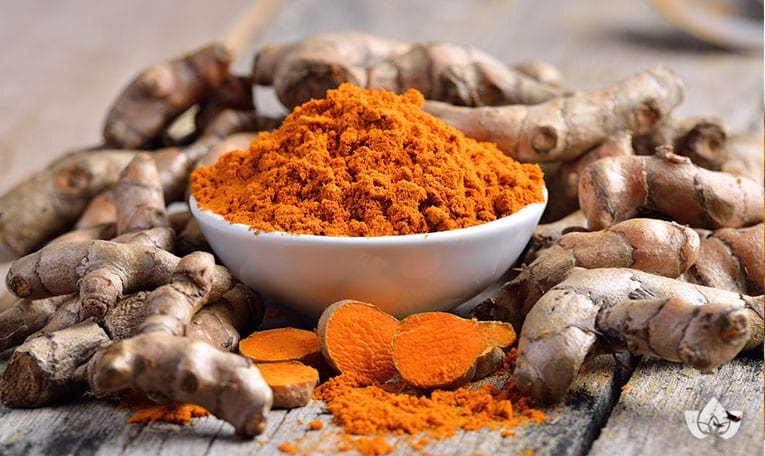
Turmeric is a bright yellow root that is famously one of the main spices used in curry, giving it its distinctive colour.

While it has a unique flavour many enjoy, what you may not have realized just how healthy that spice is that you’re consuming.

Turmeric's Active Ingredient: Curcumin

The active ingredient in Turmeric is curcumin, a substance that is an exceptionally powerful anti-inflammatory and anti-oxidant.

However, it’s important to note that it is not easily absorbed into the bloodstream unless it is activated by black pepper, which increases its efficacy by an incredible 2000%.

5 Ways Turmeric Helps With PCOS

Turmeric is a go-to when it comes to treating PCOS, because of the following five ways it can help out the patient.

1. It Has Anti-Oxidant Properties

Curcumin is a superhero anti-oxidant that neutralizes free radicals, which are being investigated as the ultimate cause of aging, cardiovascular disease, arthritis, cancer and pulmonary disease.

And even while being an anti-oxidant itself, it also triggers production of the body’s own anti-oxidant enzymes.

Free radicals travel around your body causing oxidative stress, so reducing that stress can help treat conditions such as PCOS.

2. It Lowers Risk Of Heart Disease

According to a 2011 study by de Groot et al, women who suffer from PCOS have an increased chance of heart disease, including stroke, atherosclerosis and coronary heart disease.

Once again, it is the ability of curcumin to reduce oxidization of low-density lipoproteins that makes it so effective.

When they are oxidized, they lead to atherosclerotic plaque, which is common for women with PCOS.

Studies such as this one conducted in 2009 by Wongcharoen and Phrommintikul show that curcumin serves to protect against cardiovascular issues by reducing oxidative stress, apoptosis and inflammation.
Turmeric help with PCOS symptoms | Mindful Healing | Mississauge Naturopathic Doctor

3. It Has Anti-Inflammatory Properties

The anti-inflammatory properties of Turmeric are well known, and have been used for centuries to treat inflammatory conditions such as arthritis, as shown in this 2017 study by Arshad, Haque, Abbas Bukhari, and Jantan.

Cysts are also a result of inflammation, and they are one of the symptoms of PCOS.

For women with PCOS, cysts usually form because of abnormal hormonal levels, but this can be alleviated and managed with an anti-inflammatory diet and supplements.

4. It May Help With Weight Loss

PCOS sufferers often struggle with weight gain, which also increases the risk of developing PCOS.

If obesity is a common side effect of PCOS, then maintaining a healthy diet is important in reducing the impact of the condition.

PCOS is a metabolic syndrome, and if your metabolism is compromised, then it’s almost always going to mean weight issues.

Studies have showed positive results that administering curcumin does indeed reduce overall weight in patients.

5. It May Help With Depression

While there’s no cure for depression, a roster of helpful treatments can make a huge difference, and turmeric is definitely one to keep in your back pocket.

This 2014 study by Lopresti et al shows that it is a partially effective antidepressant for those suffering from major depressive disorder; benefits were noticed between 4-8 weeks after the start of treatment with curcumin.

Inflammation has been identified as a contributing factor to depression, and curcumin treats that underlying cause, almost as well as conventional anti-depressants.

Contact The Mindful Healing Clinic

If you suffer with PCOS or any of its side effects, I urge you to book a consultation with me now.

As a naturopathic doctor, I have been recommending curcumin to patients for years and have helped many to manage their symptoms better.

Don’t delay – call now to talk to me about whether curcumin supplements can help one of your ailments, including PCOS.


Until next time,

Dr. Maria Cavallazzi is a medical doctor from Colombia where she practiced as a family physician for 8 years until she moved to Canada 16 years ago.


To get more ways about health, wellness, and alternative medicine, please visit us here: doctor of naturopathic medicine

Tuesday, September 25, 2018

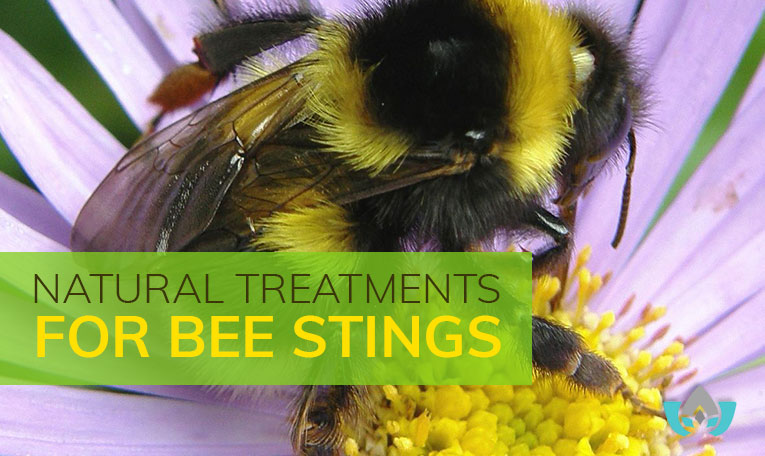
Natural Treatments For Bee Stings

Natural Treatments For Bee Stings | Mindful Healing | Mississauge Naturopathic Doctor

Bees are definitely our friends, as you’ll know if you’ve ever watched The Bee Movie, but they can also be painful foes.

Towards the beginning of autumn, bees can become more aggressive for a few different reasons, so it’s best to try to avoid them and be prepared in case of stings.

One of these reasons is "nectar dearth," which is when there is not enough nectar from nearby flowers to go around, and can cause attacks by competing hives to rob them of their nectar.

Compounding this problem, when nectar robbery occurs, bees will emit an alarm pheromone to warn their hive – however, this also triggers the alarm pheromone in the attacking insects, causing quite the fray.

If you notice a lot of dead bees around – or beneath – the entrance to a hive, this is likely what's happening.

Other animals, such as skunks, will also attack hives for their nectar, with similar results, and this often happens at summer’s end when nature is preparing and stocking up for the lean winter months.

Finally, the heat and humidity that are the hallmarks of late summer in Ontario affect bees by making them cranky, and more prone to stinging.

But what can you do if you experience a bee sting?

Are there natural treatments available?

Keep reading to find out.

Why Do Bees Sting?

Despite all this, bees and even wasps tend to not sting unless they feel provoked or attacked, making avoidance the best course of action.

Part of the reason for this is that certain species of bee have stingers with barbs on the end, which embeds in the victim's skin.

The only way these bees can escape after having stung you is to tear off part of their abdomen.

As well, when a colony loses its queen, they tend to get unduly aggressive; however, once a new queen is crowned, this behavior tends to clear up quickly.

This is not true for wasps, hornets, or yellowjackets, but in general these insects are unlikely to sting unless they perceive a truly dire threat.

What Happens When You're Stung By A Bee?

Bee stings are an initial sharp, burning, localized pain that will spread as the sting site swells.

They inject a small amount of venom into your system when they do so, which is what causes these reactions.

If you're stung, it's important to not scratch it, as this only serves to spread the injected venom further from the sting site.

Escalated symptoms include extreme redness and swelling that actually increases over the next several days (instead of receding).

Anaphylactic Reactions To Bee Stings

If you’ve never been stung before – and don’t know if you’re allergic – pay attention to the following, and call 911 immediately if you see these symptoms:

• Swelling of the throat and/or tongue
• Difficulty breathing
• Severe skin reactions, such as hives, flushed or pale skin, severe itching
• An unusually weak or rapid pulse
• Cramps, abdominal pain, nausea or vomiting, or diarrhea
• Loss of consciousness, including symptoms of dizziness

If you know you are allergic to insect stings, be sure to use your EpiPen (or similar device) immediately, then go to your nearest emergency room to seek follow-up medical attention.

As well, go to the emergency room if you're stung multiple times.

In these cases, even if you aren't allergic, the buildup of the toxic bee venom can cause problems and cause you to go into anaphylactic shock.

Natural Treatments For Bee Stings

The good news, especially if you’re camping, is that there are quite a few natural treatments that exist for insect stings.

These old-fashioned ‘home remedies’ have been passed down through several generations, and often utilize ingredients you already likely have stocked in your pantry.

Here’s a quick review on some natural treatments for bee stings to alleviate the pain and swelling quickly:

How to treat bee stings | Mindful Healing | Mississauge Naturopathic Doctor

1. Remove The Stinger

If it’s a type of bee that leaves behind its stinger, you’ll want to start by removing that stinger from your skin.

Try to be very careful, so as to not break it off in the process of removing it; a pair of tweezers might seem intuitive, but actually serves to inject more venom into the skin.

The stingers that are left behind will look for a little black dot; remove it by scraping it away with a fingernail or credit card, and then wash the site thoroughly with soap and warm water.

2. Vinegar

Keep in mind that some stings (wasps and certain bee species) have alkaline venom, and others will have acidic venom.

For those that are alkaline, remember your high school science class, and reach for some vinegar.

Apple cider vinegar seems to be the most effective, though white vinegar will do as well.

When the pain is at its worst, you can pour the vinegar directly on the sting, and you should feel quick relief; if the pain comes back, consider soaking a cloth or Band-Aid in vinegar, and plaster it over the site for lasting relief.

3. Witch Hazel

Witch hazel is a great go-to for many skin issues, and bee stings are no different.

An astringent, it helps with the inflammation of the sting, and can be applied similarly to vinegar – either poured on, or applied to the skin via a bandage pad or piece of cloth soaked in the liquid.

You may very well have witch hazel in your medicine cabinet, as it can also be used for pimples, mosquito bites and other skin inflammations.

Witch hazel is made from the leaves and bark of the witch hazel plant, and can be bought from most local drug stores.

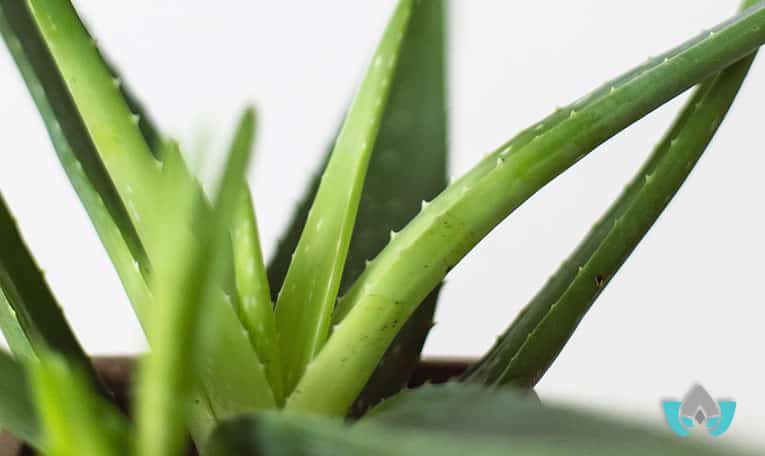
4. Aloe Vera Gel

Aloe Vera, a well-known treatment for sunburn, can be applied directly from a broken-off stem to the sting site.

Aloe helps soothe the skin, reduce inflammation and pain, and can be grown in your home for ready convenient treatment.

5. Calendula Cream

Calendula cream has been used for decades as an antiseptic to heal or ease skin irritations, including Chicken Pox.

Calendula cream works very well on insect irritations, including mosquito bites, and wasp or bee stings.

To use calendula on a bee sting, simply apply the cream to the sting site, and let the cream dry; don't wipe it off.

If the sting is under clothes or in an awkward spot, you’ll want to cover the cream with a bandage so that it can continue to do its work unhindered.

Contact The Mindful Healing Clinic

There are many skin issues your family ought to be prepared for, not the least of which is insect bites and bee stings.

While there exist chemical treatments, sometimes the natural treatments are preferable, especially when dealing with children.

The tips above will help you in an emergency, but there are other options that we can educate you on at the Mindful Healing Clinic.

Call us now – before an insect attack occurs – so we can help you prepare your home treatments and keep your family safe this summer.


Until next time,

Dr. Maria Cavallazzi is a medical doctor from Colombia where she practiced as a family physician for 8 years until she moved to Canada 16 years ago.


To get additional ways on health, wellness, and alternative medicine, please visit us here: naturopathy in Mississauga


Tuesday, September 18, 2018

Why Do We Need Sleep, Anyway?

Why Do We Sleep, Anyway? | Mindful Healing | Mississauge Naturopathic Doctor

In some ways, sleep seems like a drawback rather than a benefit, from an evolutionary perspective at least.

After all, spending a third of your life in a situation where your defenses are completely lowered and you're vulnerable to attack doesn't seem like the best survival mechanism.

But, of course, without sleep, we'll have a difficult time, because it’s a big part of what helped us survive and evolve as a species.

What does sleep do?

And what are the consequences of sleep deprivation?

Keep reading to find out.

What Does Sleep Do?

All those experiences from your waking hours that your brain takes in are processed during your sleeping hours in a process called “consolidation”.

Brain function changes, and memories are moved from short term into long term memory.

As for our bodies, sleep is what allows it to rejuvenate and grow muscle, restore and repair tissue, and also regulate hormones.

How Much Sleep Do You Need?

While everyone is different, there are some science-backed guidelines that are good to follow.

• Infants need between 12 and 17 hours of sleep
• Toddlers from age one need 11-14 hours
• Preschoolers – from about age 5 – should be getting 10-13 hours
• School age children are recommended to get 9-11 hours
• Teenagers, though seemingly always sleeping, only need 8-10 hours
• Adults from age 18 should get 7-9 hours
• By the time you hit retirement age, sleep requirements are down to 7-8 hours per night

It’s been suggested that the reason you need more sleep in your youth is because your brain has more new information to process.

As well, your body is doing most of its growing at this stage, and sleep ensures proper development, so it’s not surprising that the younger you are, the more sleep you require.

What Happens When You Go Without Sleep?

There are more serious consequences of sleep deprivation than just forgetfulness, however.

Let’s have a look at some of the other effects, and why it’s important to prevent these.

1. Your Central Nervous System Is Disrupted

The Central Nervous System (CNS) relies on sleep to reboot and repair neural pathways that allow us to function optimally.

After about 16 hours, brain functions start to decline, and by about 20 hours awake, your average person will start to display drunk-like symptoms due to sleep deprivation.

This is when it becomes dangerous to drive vehicles, and accidents are much more likely to happen.

While you can’t ‘catch up’ on sleep for the number of hours you’re lacking, what experts will suggest is to try to have consistent sleeping habits, rather than adding to your ‘sleep bank’ after sustained sleep deprivation.

Do we need sleep? | Mindful Healing | Mississauge Naturopathic Doctor

2. Your Immune System Is Compromised

When you are lacking sleep, your immune system is weakened, and has a harder time fighting off infections and viruses.

The immune system is comprised of several different types of cells and proteins; when we don’t get enough sleep, T-cells go down and cytokines (inflammation control) go up, which can lead to a suppressed ability to attack invading viruses.

As well, our body’s response to attacking your cold and flu strains is to have what’s called a fever response.

Your body can activate a fever response far more easily when you’re sleeping, so the longer you stay awake, the harder it is for your immune system to activate the steps necessary to prevent you from getting sick.

A 2015 paper by G. Costa in the journal Handbook of Clinical Neurology shows that overnight shift work has a number of different effects on your immune system, as well as gastrointestinal and cardiovascular disorders.

More on those later.

In particular, it points out that night shift workers are probably at a higher risk of developing cancer.

This is part of the reason why occupations with night-shifts have been listed as carcinogenic by the WHO, because of the impact of those disrupted sleep cycles.

3. Your Digestive System Hormones Fall Out Of Balance

Hormones are what control our feelings of hunger and satiety, but when we are sleep deprived, these are out of whack and can lead to weight gain.

If your body can’t signal to you that you’re full, then it’s more likely that you will overindulge in that dinner or late-night snack.

In addition, examples of a non-medical reasons for weight gain might be that you’re more likely to sleep in the following morning and skip your workout, or you might feel so tired that you don’t think you have the energy to go to the gym.

4. Your Endocrine Hormones Are Affected

Sleep deprivation has negative effects on endocrine and metabolic function, specifically cortisol production, also known as the ‘stress hormone’.

Disrupted sleep patterns also affect carbohydrate tolerance and impair glucose tolerance, both of which can cause the risk of diabetes to increase.

Returning to brain function, sleeplessness can also create ‘memory deficits’ that look a lot like Alzheimer’s, and indicate a possible rapid-aging process.

A normal sleeping pattern allows the brain to purge a toxic protein called beta amyloid; when that builds up, your chance of developing dementia later in life increases.

5. You're At Greater Risk For Cardiovascular Disease

Sleep deprivation hugely compromises your cardiovascular system – less than 5 hours a night increases your blood pressure, which can, in turn, increase your risk of heart attack.

When you sleep, your heart rate drops, giving your cardiovascular system a much-needed break; this allows your blood pressure to self-regulate.

Even losing a small amount of sleep can have adverse effects – a 2008 paper published in the New England Journal of Medicine found that the rate of acute myocardial infarctions (the medical term for heart attacks) increases significantly in the three days following the transition to spring daylight savings time, and we only lose one hour there.

Finally, keep in mind that inflammation is increased by lack of sleep, which is a factor in the progression of several diseases, including cardiovascular disease.

Contact the Mindful Healing Clinic

At the Mindful Healing Clinic, we educate our patients about the habits necessary to live a healthy life.

Call us now to discuss your sleeping habits and how they might be impacting your life and health.

As a Naturopathic Doctor with many years’ experience advising clients about their individual sleeping needs and habits, I can help you identify the best sleeping patterns for you and your system.

If you're new to naturopathic medicine and aren't sure how it can help, call us and book a FREE 15-minute introductory session.

During that time, we'll sit down and discuss your health concerns related to sleep or anything else, I'll answer any questions you may have, and from there we can talk about your options.

Contact us here at the Mindful Healing Clinic and find out how naturopathic medicine can help you address your sleep concerns.


Until next time,

Dr. Maria Cavallazzi is a medical doctor from Colombia where she practiced as a family physician for 8 years until she moved to Canada 16 years ago.


To discover more information on health, wellness, and alternative medicine, please visit us here: naturopath in Mississauga


Tuesday, September 11, 2018

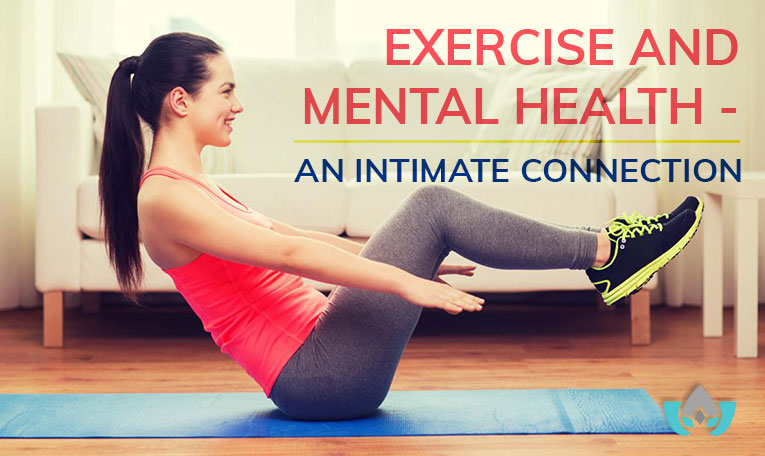
Exercise And Mental Health – An Intimate Connection

Exercise And Mental Health - An Intimate Connection | Mindful Healing | Mississauge Naturopathic Doctor

We've all heard at one point or another that exercise is good for you.

Whether it be breaking a sweat, getting your heartrate up, or picking up some weights, it's common knowledge that exercise is essential in our physical upkeep.

However, physical health is not the only health that may be affected by exercise.

If you want to find out how exercise and mental health are closely connected, continue reading.

Why Is Exercise So Important?

As mentioned before, exercise is a primary part of maintaining our physical health.

In prehistoric times, food wasn't as easy to come by as it is now, so our bodies evolved to store nutrients from our food away in the form of fat.

Our ancestors had to adapt to store away food in such a way that allowed them to travel long distances between meals.

Nowadays, we're lucky to have easier access to food, but the benefit of that easy access comes with the detriment of not having to exercise.

Although the idea of not having to exercise for your food might seem great, our bodies still need to balance out our food intake with adequate exercise.

Without it, our bodies will end up storing too much of the food we eat instead of burning it off, which in turn upsets many of the intricate balances our bodies have to maintain in order to stay healthy.

Knowing this, it's no surprise that mental health is affected by how much exercise we get.

Does It Matter What Type Of Exercise?

Many people get stuck on the type of exercise they think they should be doing.

For instance, many people think that attaining physical health only comes from the ability to run long distances, and so they turn to jogging for their form of exercise.

Inevitably, jogging doesn't stick for many people and they might give up.

Fortunately, most aerobic activity treats the body the same way; for instance, jogging, swimming, and cycling all can be beneficial modes of exercise.

Not only that, strength and resistance training can also do to your body similar things as aerobic exercise as well.

In other words, it really doesn't matter what type of exercise you do, so long as you're exercising.

If you're training for a specific sport or activity, you can get into all the different ways there are to optimize your fitness routine.

But if you're just exercising to stay healthy, don't overthink it – any exercise is better than no exercise.

How Exercise Supports Mental Health

Now, as easy as it is to believe that exercise helps us keep our food intake and storage balance in check, it might come as a surprise that exercise can help mental health immensely.

To be specific, high-intensity activities encountered during exercise improve the way we perceive ourselves, as well as improve the way we are able to think logically and conceptually.

This is because during exercise, you breathe faster and your heartbeat elevates.

This increases the amount of oxygen delivered to your entire body, including your brain, which can in turn give the brain a chance to refresh itself of its most important neurotransmitters.

Even just 20 minutes of higher than usual intensity activity like going for a brisk walk 3 times a week can show improvements to your mental health.

This means that even if conventional methods of exercise typically found in a gym don't appeal to you, there's something out there that you'll enjoy.

Mental Health and exercise | Mindful Healing | Mississauge Naturopathic Doctor

Exercise For People Who Hate Exercise

If you're not a huge fan of the idea of going to the gym, or don't feel like running around the block is your cup of tea, there's still other things you can do that are just as beneficial to your mental health.

Here are some activities you might not have considered or might not have realized do just as much for you as lifting weights might.

1. Yoga

Yoga is unique when it comes to exercise because it involves not just physical practices.

Yoga actually refers to a combination of physical, mental, and spiritual practices that can be found in different balances depending on the school of yoga you find.

It should then come to no surprise that yoga, with its physicality as well as its roots in meditation, can be a great choice for exercise for maintaining mental health.

2. Cycling

For those of you who dislike walking or running, cycling can be another great option.

Because cycling places less strain on your knees, it can be a popular alternative for exercise that still allows you to experience the outdoors.

Even if you dislike the idea of going outside, most gyms that have running machines will also have cycling machines as well.

And if you don't like the gym, there are always lots of second hand exercise bikes for sale on Craigslist.

3. Swimming

If you find getting hot and sweaty during exercise to be a reason you avoid it, swimming might be a great alternative for you.

Because there's less pressure on your joints, many people find this form of exercise particularly soothing, especially when you can reward yourself at the end by taking a dip in the hot tub.

You'd be surprised by the price, too; memberships at your local pool are often cheaper than your typical gym membership.

4. Dancing

Maybe what's stopping you from exercise is the repetitive nature of it.

If that's the case, dancing is your perfect solution.

Dancing in its many shapes and forms provides a wonderful outlet for people to express themselves to the types of music they already enjoy listening to.

The best part is that because you're learning throughout the exercise, time flies by and you'll even have a routine to take home with you most of the time.

5. Walking

For some of us, exercise might just seem like more stress on top of an already stressful lifestyle.

Walking can surprisingly be just as beneficial as other forms of exercise provided you maintain a steady and brisk pace.

You can even take some music or a podcast on the road to keep yourself entertained when you're walking on your own, or you can always bring a friend or two and explore your neighborhood together.

Contact The Mindful Healing Clinic

As a progressive medical practice, The Mindful Healing Clinic integrates the best of modern science with natural therapeutics, providing individualized plans to help you reach your health goals.

If you want to find out more about how your mental health can benefit from exercise but you just aren't sure where to start, ask us your questions at The Mindful Healing Clinic.


Until next time,

Dr. Maria Cavallazzi is a medical doctor from Colombia where she practiced as a family physician for 8 years until she moved to Canada 16 years ago.


To learn more ways about health, wellness, and alternative medicine, please visit us here: naturopathic clinic in Streetsville


Thursday, September 6, 2018

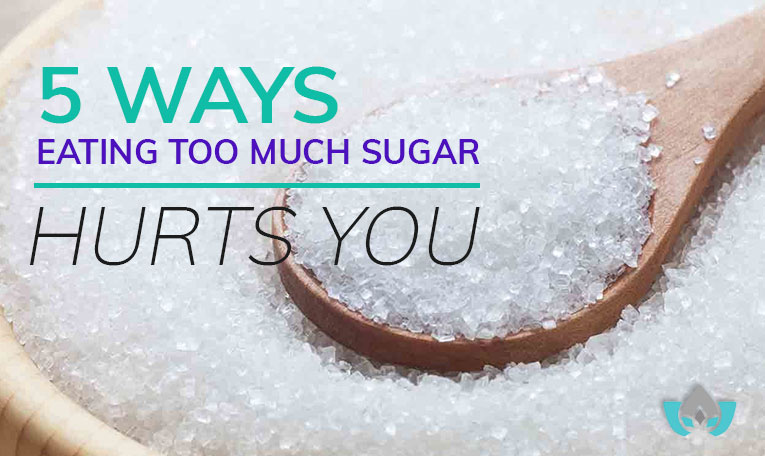
5 Ways Eating Too Much Sugar Hurts You

5 Ways Eating Too Much Sugar Hurts You | Mindful Healing | Mississauge Naturopathic Doctor

Sugar is present in many of the foods that we eat -- some of which may surprise you.

Pasta sauce, BBQ sauce, fruit juice, granola, cereal, and more common foods are loaded with sugar.

And, at the same time, some high-sugar foods -- like granola bars and low-fat yogurt -- are sold under the guise of being healthy.

Because of this, it can be easy to consume too much sugar, which can have many negative effects on your body.

At the Mindful Healing Clinic, we can consult with you to provide natural diet tips to help reduce your sugar intake.

How does sugar affect your body?

Keep reading to find out.

Why Do We Love Sugar?

Sugar makes up a hefty portion of the average diet -- added sugar accounts for up to 11% of adult diets and 17% of children’s diets.

However, dietary guidelines recommend 10% or less of your diet consisting of added sugar, while many healthcare professionals advocate for even less, or zero.

Added sugar is not beneficial to a healthy diet since it is composed of "empty calories" – that is, calories with no essential nutrients.

So why do we eat so much sugar?

Our predisposition to consume sugar may be evolutionary -- an evolutionary biologist at Harvard suggested that apes once survived on sugar-rich fruit because it had more energy.

The belief that sugar is addictive is controversial, but whether or not sugar is proven scientifically to be addictive, we do know that it is present in many foods and drinks.

Soft drinks are one of the main sources of sugar for many people – their consumption has increased by an estimated 500% over the last 70 years.

A recent study found that a 1% increase in soft drink consumption is associated with a 4.8% increase in obese adults per capita and 0.3% increase in diabetes in adults per capita.

Health Risks Of Sugar

Some sugar in your diet from natural sources, such as fruit, can be healthy.

But there are health risks associated with diets high in sugar.

1. Increased risk of heart disease

A recent study found a correlation between an increased percentage of calories composed of sugar and an increased risk of dying from heart disease.

In addition, diets high in sugar promote insulin resistance and diabetes, and patients with diabetes have higher rates of coronary atherosclerosis, or narrowing of the arteries.

2. Increased risk of obesity

Rates of obesity are continuously on the rise, and sugar -- especially when found in sugary drinks, which are high in fructose -- are considered a main culprit.

Drinking beverages high in sugar can cause:

● Increased desire for glucose due to consumption of fructose
● Resistance to leptin, a hormone which regulates hunger
● Accumulation of visceral fat, which is associated with heart disease and diabetes

Sugary food and drinks are filled with “empty” calories, so they do not make you feel full when consumed – instead, they leave you hungry just an hour or two after eating them.

Can you get hurt if you eat too much sugar? | Mindful Healing | Mississauge Naturopathic Doctor

3. Makes you age more quickly

AGEs – or advanced glycation end products – are formed when sugar and protein in your body react.

Diets high in sugar have been linked to an increased production of AGEs.

These AGEs damage collagen and elastin, losing firmness in the skin, worsening wrinkles, and speeding up skin’s aging process.

4. Causes you to experience low energy

When we consume sugar, our blood sugar and insulin levels increase, giving us a burst of energy.

But it doesn't last long before blood sugar sharply drops, causing a “crash”.

Eating healthier fats can keep your energy levels stable.

5. It can impair your memory

Diets high in sugar can lead to memory impairment and accelerated cognitive decline.

Furthermore, there is an association between glucose levels and dementia risk, although further research is required to determine exactly why.

Contact The Mindful Healing Clinic

There are natural diet solutions available that are low in sugar.

If you would like to reduce your sugar consumption levels, contact me, Dr. Maria Cavallazzi, at the Mindful Healing Clinic.

During your initial appointment, you'll get a chance to sit down with me where we can talk about your diet and any other health concerns you may have.

From there, we’ll create a treatment plan based on your unique health needs.

Contact the Mindful Healing Clinic to book your FREE 15-minute introductory session today.


Until next time,

Dr. Maria Cavallazzi is a medical doctor from Colombia where she practiced as a family physician for 8 years until she moved to Canada 16 years ago.


To see additional ideas about health, wellness, and alternative medicine, please visit us here: naturopathy in Streetsville


Tuesday, August 28, 2018

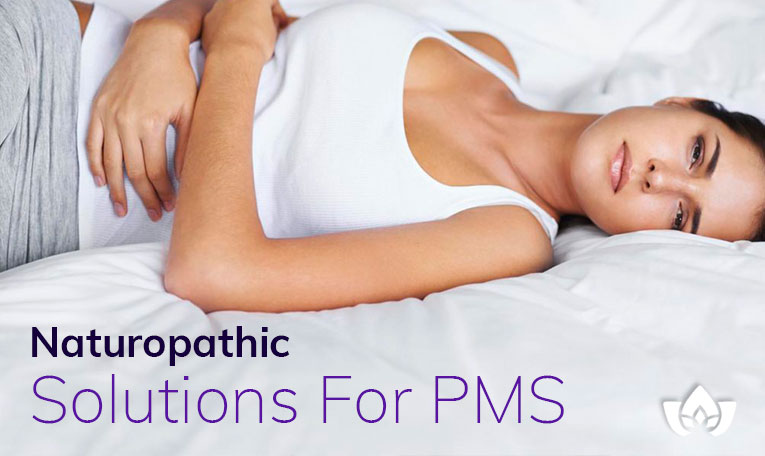
Naturopathic Solutions For PMS

Naturopathic Solutions For PMS | Mindful Healing | Mississauge Naturopathic Doctor

As a Naturopathic Doctor, I get many questions from my clients about PMS and its symptoms.

Are there naturopathic solutions for PMS available? What can be done, naturally, to relieve it?

Many of us suffer, but the good news is that there are steps that can be taken without resorting to medication.

To help you understand what your body is experiencing and how to help it, have a read below.

What Is PMS?

PMS, or Premenstrual Syndrome, describes the varied symptoms that affect women in the week or two before their periods, occasionally lasting through their menstruation period itself.

Although only 1 in 20 women will experience severe symptoms, up to 75% of women report experiencing one or more of them.

Some of the most common symptoms include:

• Cramps
• Bloating
• Breast sensitivity
• Irritability
• Depression
• Anxiety
• Acne
• Headaches

Many women also report food cravings and indigestion.

PMDD, or Premenstrual Dysmorphic Disorder, describes the more severe range of symptoms, which can be the same as above, but far more debilitating.

What Causes PMS?

Although it’s likely connected with the cyclic monthly hormonal changes in women, we don’t actually know exactly what causes PMS.

Changes in serotonin levels in the brain may be the cause of symptoms like fatigue and irritability or depression.

A review by Ryu and Kim talks of theories suggesting increased sensitivity to normal hormone changes and abnormalities in neurotransmitters may be connected, but thus far studies are inconclusive.

Dietary Solutions For PMS Symptoms

Just because we don't know exactly what causes PMS, though, doesn't mean we haven't developed treatments for it.

There are a number of dietary supplements which have been shown to help control PMS symptoms, a number of which we'll talk about below.

Different solutions when going through PMS | Mindful Healing | Mississauge Naturopathic Doctor

1. Eat These Foods

Food provides you with the ability to control your symptoms to a degree - you just need to know what their vitamins and minerals do.

To relieve cramping, try leafy green vegetables, which contain Magnesium.

Magnesium, in its various forms, is an excellent muscle relaxant and important for metabolizing estrogen.

For stomach aches, irritability and indigestion, be sure to consume enough fiber.

For pain and inflammation, find foods that are high in omega 3 fats, such as wild salmon or other fish, or flaxseed.

Flaxseed also does double duty by helping regulate estrogen.

In addition to these, try to consume lots of fruits, vegetables, nuts and seeds. These have been shown to reduce severe PMS symptoms.

Avocados, in particular, have many of the benefits listed above, so feel free to indulge in that avocado toast.

2. Avoid These Foods

Just as food can help relieve symptoms, it can also exacerbate them, so try to avoid salt, sugar, and the ‘bad fats,’ such as trans- and hydrogenated-fat.

Try to also be mindful of your caffeine intake, which can worsen symptoms like irritability, depression and anxiety, as well as breast tenderness.

3. Chasteberry Herbal Supplements

Chasteberry is a fantastic natural supplement that is a great help in balancing estrogen and progesterone, the two most important hormones in regulating your monthly cycle.

Women who take chasteberry supplements report much less tender breasts during their menstrual cycles, and for many, less cramping and bloating.

It is considered that the combination of Chasteberry and St. John’s Wort is quite successful in relieving the symptoms of depression and food cravings.

4. Evening Primrose Oil

Evening primrose oil contains Omega 6, which the body can’t get through food sources, but needs.

Evening primrose oil can help reduce skin irritability, help with inflammation, bloating and cramping, and also breast pain.

However, if you take medication for seizures or blood pressure, or if you are on blood thinners, you should definitely speak with a naturopathic doctor or other qualified healthcare practitioner before beginning.

5. Ginkgo Biloba

Ginkgo Bilboa has been used for thousands of years in Chinese medicine to improve memory and circulation.

Ginkgo extracts is known to have two powerful antioxidants, which slow down the effects of aging.

It is also well-known for improving mental and cognitive health.

Research suggests it targets and reduces many PMS symptoms, including mood swings, headaches, anxiety, fatigue and muscle pain.

Contact The Mindful Healing Clinic

Think back to your last period...what was your experience?

How painful was it, or how did impact your ability to go about your day, do your job or enjoy your family time?

If you're having trouble with your monthly cycle, there are naturopathic solutions available which may help ease your suffering.

To find out more about how naturopathic medicine can help you, contact me, Dr. Maria Cavallazzi, at the Mindful Healing Clinic here in Mississauga.

If it's your first time, I offer a FREE 15-minute consultation, where you'll get a chance to ask any questions you have about naturopathic medicine.

From there, I'll address any health concerns you have, and we can talk about some possible solutions for you.

I've helped many find relief from their PMS symptoms through naturopathic medicine.

Contact the Mindful Healing Clinic today, and find out naturopathic medicine may help you achieve PMS freedom.


Until next time,

Dr. Maria Cavallazzi is a medical doctor from Colombia where she practiced as a family physician for 8 years until she moved to Canada 16 years ago.


To discover additional info about health, wellness, and alternative medicine, please visit us here: naturopath in Mississauga


Tuesday, August 21, 2018

Pregnancy & Conception For Women Over 40

Pregnancy & Conception For Women Over 40 | Mindful Healing | Mississauge Naturopathic Doctor

It’s more and more common these days for women to be starting or growing their family well into their forties.

While women’s reproductive health has improved significantly in the last couple of decades, many can nevertheless experience challenges conceiving as they grow older.

Science can assist with some of these, and many women opt to undergo procedures such as hormone injections, intrauterine insemination or in vitro fertilization.

For others, there are barriers to such treatments; some do not wish to undergo the invasive physical trials, for others there is a financial barrier, others still prefer to treat their bodies more naturally and look at what can be done to improve the odds without drastic measures.

However, there are options for fertility for women over 40 available, including naturopathic methods.

Why Does Age Affect Female Fertility?

As women age, their bodies’ hormone production changes.

Specifically, progesterone and estrogen see a decline, which are the primary hormones responsible for the menstrual cycle and conception.

Once women reach age 32, there is a small yet gradual decline in the chances of conception, and by 40, the chances of getting pregnant are half what they were at 30.

Risks Of Pregnancy After Age 40

As we now know, father’s age can also factor in to pregnancy risks, such as congenital autism.

On the mother’s side, not only can the fetus be at risk, but the mother herself.

• They can be at a higher risk of stillbirth and miscarriage
• Gestational diabetes is higher in women over 40
• Pre-eclampsia
• Placental issues (placenta previa and placental insufficiency)

Down syndrome does also see an increase with an older mother, as well as the accuracy of the tests themselves.

Naturopathic Treatments For Female Fertility

Luckily, there are natural ways for preparing for conception and keeping your pregnancy viable.

Keep reading to find out more.

This article, of course, is only for informational purposes. For more details on naturopathic treatments for fertility, book an appointment with us at the Mindful Healing Clinic.

Pregnancy & conception happening to women above 40 | Mindful Healing | Mississauge Naturopathic Doctor

1. Diet & Nutritional Supplements

Probably the most influential thing you can do is improve your daily diet to meet recommended daily intake for optimal minerals and vitamins.

In fact, it’s so important that there was even a study and subsequent book published to educate women about what to consume and what to avoid, entitled The Fertility Diet, by Dr. Jorge Chavarro

Diet can be bolstered by choosing the right supplements for your needs, but there are specific recommendations for moms-to-be over 35.

The first of these is co-enzyme Q10, which aids in improving egg quality.

Secondly, in addressing quantity, you may want to ask your doctor about DHEA.

DHEA is a natural hormone that seems to improve egg production, thereby improving your chances of conceiving.

Finally, another common recommendation is royal jelly, which has been around for centuries, and which assists in longevity, lower blood pressure and reduced lethargy, as well as fertility.

2. Acupuncture

Many people swear by acupuncture to help them with their various aches, pains and stiffness.

Acupuncture can also be used to assist with imbalances within the body in order to encourage a fertile environment.

Many women who have suffered through miscarriages and inability to conceive have successfully carried a child to term after speaking with a knowledgeable acupuncturist and undergoing a few sessions.

Acupuncture can also be used throughout the pregnancy in order to keep the pregnancy stable, and so many women opt for this, too.

3. Reduce Your Vices

You know what they are: coffee, smoking, alcohol.

These drugs are all known to reduce fertility as well as interrupt sleep cycles and stress the body.

The effects of these vices on human health have been scientifically documented for a long time, and we all know they are unhealthy for both the parents and the fetus.

4. Improve Your Sleep Schedule

Fertility is linked to your circadian rhythms, so listening to your body and getting the sleep you need is crucial for reproductive health.

Be sure to get lots of quality sleep to give your body what it needs to nourish life.

Turn off the devices at least a half hour before you turn off the light.

Speaking of which – be sure to sleep in as dark an environment as you can achieve in order to get a deep sleep.

Try to keep the rhythm by going to bed and waking up at the same time every day.

If you work at shift work, try to negotiate to have your schedule changed, if possible, as the disrupted sleep patterns have been linked to higher risk of miscarriage.

5. See A Naturopathic Doctor

When you are already emotionally and physically stressed with the desire and attempts to get pregnant, one of the best things you can do is share the burden.

My name is Dr. Maria Cavallazzi and I am a Naturopathic Doctor in downtown Mississauga-Streetsville.

If you're having trouble with conception, or you're thinking of conceiving a child, contact me to book a FREE 15-minute initial health consultation.

We'll sit down together and talk about your health concerns, your pregnancy goals, and any other concerns you may have. I'll answer all your questions, and from there we can talk about possible treatment plans.

Contact us here at the Mindful Healing Clinic today to book your FREE 15-minute naturopathic consultation today.


Until next time,

Dr. Maria Cavallazzi is a medical doctor from Colombia where she practiced as a family physician for 8 years until she moved to Canada 16 years ago.


To find additional ideas about health, wellness, and alternative medicine, please visit us here: naturopathy


Tuesday, August 14, 2018

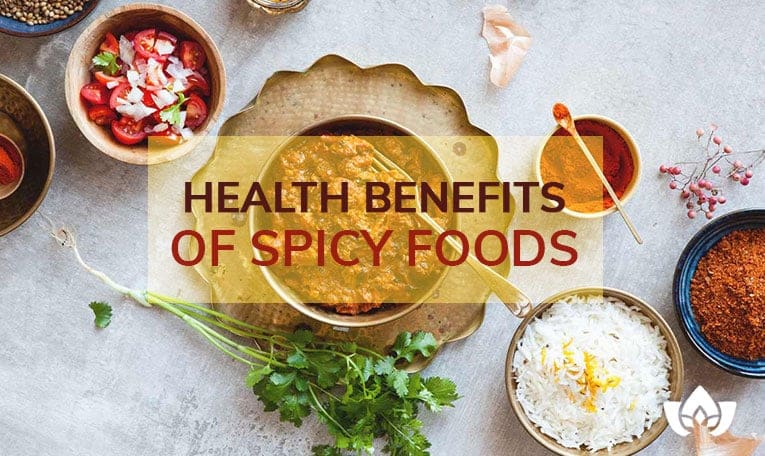
Health Benefits of Spicy Foods

Health Benefits Of Spicy Foods | Mindful Healing | Mississauge Naturopathic Doctor

Mild, medium, hot, or on fire - how do you take your food?

Those who opt for the spicier options may be onto something when it comes to their health.

Some proponents of naturopathic medicine say that eating spicy foods has health benefits that many people don't realize.
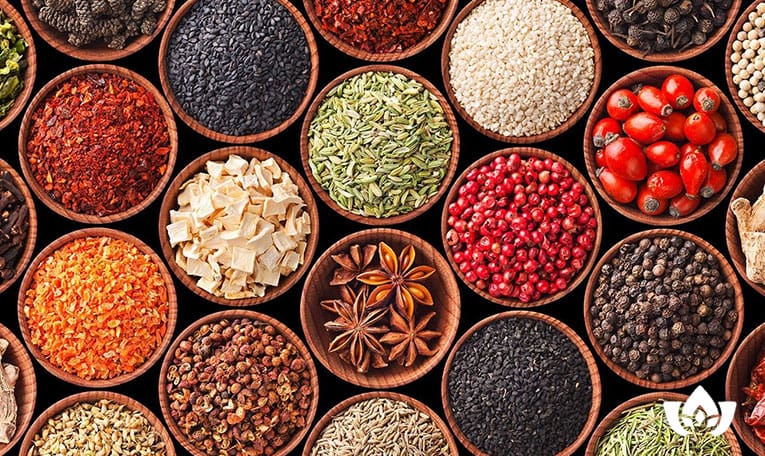
So what makes food taste spicy?

Why do some people LOVE to spice things up when they eat?

And what are the benefits of “kicking it up a notch” when it comes to spice?

Keep reading to find out.

What Makes Food Spicy?

Have you ever wondered why spicy food, such as a pepper, that may feel normal when you touch it with your hands, will feel so spicy when it hits your tongue?

Why such an innocuous looking veggie can make your eyes water?

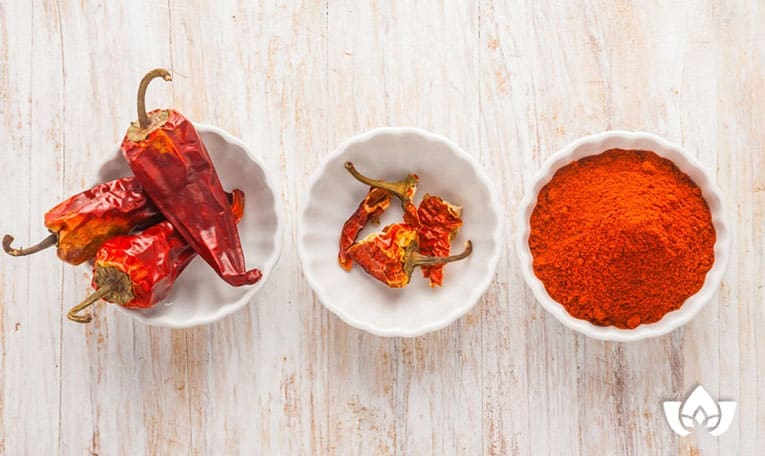
It all has to do with how capsaicin - the active ingredient in spicy food - binds to the receptors on your tongue.

There are special receptors in our mouth called VR1 Receptors that are meant to detect heat - to warn us against consuming foods that will burn us.

But these special receptors also bind to capsaicin - and as a result, when they're activated, the sensation is similar to that of consuming food that is hot in temperature.

There is nothing really “hot” about hot foods - it’s all an illusion caused by confused receptors.

Why Do We Love Spicy Food?

Despite the burning sensation left in our mouths by spice, some people just cannot get enough.

Do you ever wonder why it is that some people look at a plate full of “suicide wings” as a challenge to be conquered?

A 2012 study in the journal Psychiatry Investigation showed that the main component of red peppers - capsaicin - causes the brain to release endorphins, which causes analgesic (pain-relieving) effect in humans.

So, after the initial burning sensation, it could actually cause reduction of pain.

Researchers have even developed creams with capsaicin in them to help treat arthritis pain.

This explains why some people just can’t get enough spice in their life.

On a side note, if you happen to over-do it, reach for milk or peanut butter - these will help dissolve capsaicin better than water.

Health Benefits Of Eating Spicy Food

So we like spicy food and it can make us feel good.

But is there a reason beyond just “feeling good” to break out the peppers?

Some benefits of spicy food may include assisting with weight loss, helping to prevent cancer and keeping your heart healthy.

Let’s take a closer look:

Different benefits that you can have when eating spicy foods | Mindful Healing | Mississauge Naturopathic Doctor

1. Weight Loss

Although there is no “magic-bullet” for weight loss, if shedding some pounds is your goal spicy foods might help.

Some studies suggest that capsaicin, a key compound in chili, can help warm up the body and assist in burning excess calories.

If you're looking for a natural solution for weight loss contact the Mindful Healing Clinic to discuss your options.

2. Anti-Cancer Properties

Capsaicin may also help you reduce your cancer risk.

Research from the American Association for Cancer Research in combination with Harvard University found that capsaicin can kill certain types of cancerous and leukemic cells.

Turmeric in particular may also slow the growth of cancer cells and tumours.

For the most benefit, pair turmeric with black pepper to help increase absorption.

3. Heart Health

Eating spicy food can be great for your heart.

The effects of LDL (“bad cholesterol”) are lowered by chili peppers, and capsaicin may help with inflammation.

Additionally, red peppers are a great source of vitamins A and C which strengthens the walls of the heart muscles.

The heat of spicy foods can also increase blood flow.

Contact The Mindful Healing Clinic

Want to learn more about how adding some spice to your diet can help you?

Contact me, Dr. Maria Cavallazzi at the Mindful Healing Clinic.

You'll get a chance to sit down with me and talk about your diet, your health concerns, and any other questions you may have about naturopathic medicine.

From there, we can build a plan to help you reap the benefits of adding some spice to your life.

There are some drawbacks to eating spicy food as well, though - hot peppers certainly aren't for everyone.

We'll talk about that more in our next article.


Until next time,

Dr. Maria Cavallazzi is a medical doctor from Colombia where she practiced as a family physician for 8 years until she moved to Canada 16 years ago.


To discover more tips on health, wellness, and alternative medicine, please visit us here: naturopaths in streetsville


Tuesday, August 7, 2018

Health Risks From Eating Spicy Food

Health Risks From Eating Spicy Foods | Mindful Healing | Mississauge Naturopathic Doctor

Spicy food, depending on your tolerance, may be something you gravitate towards or avoid completely.

There may be certain health risks from eating spicy food that give reason to take caution.

When it comes to dietary advice on how to approach spicy food, each person is different and your individual needs may vary.

However, there are some common effects and repercussions of eating spicy foods that are fairly well documented.

Keep reading to find out more.

Common Effects Of Eating Spicy Food

Eating spicy food generally involves your mouth and tongue feeling like there is a physical fire on them.

The reason for this is a compound called capsaicin present in spicy food that triggers the same receptors on your taste buds that literal heat does, tricking your brain to thinking that there is something physically hot in your mouth.

This can cause a variety of symptoms you may be familiar with, depending on the strength of the spicy food consumed, such as:

- Sweating
- Burning sensation on the tongue and mouth
- Stomach discomfort
- Nausea
- Vomiting

However, you’ll be glad to know that the spicy food does not actually cause physical damage to your tongue or esophagus upon consumption.

That being said, spicy food still comes with an assortment of other health risks you may not be aware of.

Health Risks Of Eating Spicy Food

Capsaicin can actually be fatal when consumed in large enough quantities because your body views it as a neurotoxin.

However, the odds of this happening are pretty low because your body has mechanisms in place to prevent you from eating enough to cause a fatal reaction.

In fact, the symptoms from eating spicy food are linked with these very mechanisms that stop a fatal dose from being ingested, as well as a few other health risks from the aftermath of eating spicy food.

Vomiting is one of the body’s responses when something ends up in your stomach that shouldn't be there, whether that’s too much spicy food, too much alcohol, or a poisonous substance.

Unfortunately, while vomiting clears the stomach of the capsaicin, the acid from the stomach can cause irritation and damage to the esophagus on the way up.

The damage can be exacerbated depending on the level of capsaicin in the food ingested as well.

Capsaicin also causes inflammation of tissue, which can lead to damage in the stomach or intestinal lining in larger doses.

At this point you may be wondering if regular amounts of spicy food also have any health risks; the following outlines just that.

Risks that spicy foods might give to you | Mindful Healing | Mississauge Naturopathic Doctor

1. It Can Trigger IBS Symptoms

One study exploring the link between spicy food and irritable bowel syndrome found that a greater consumption of spicy foods was associated with a higher likelihood of having IBS.

On top of that, regular symptoms of IBS can be exacerbated from spicy food ingestion by causing more stomach irritation and diarrhea.

2. It Can Be Painful If You Have Geographic Tongue

In case you don’t know, geographic tongue is a condition where the tongue has patches that seem irregular, smooth, and red.

The name of the condition, formally known as benign migratory glossitis and erythema migrans, comes from the fact these patches show up like parts of a map on your tongue.

The cause of geographic tongue is currently unknown, and it isn't clear if eating spicy food is linked with the beginning of this disorder.

However, individuals with geographic tongue can be more sensitive to spicy foods, making its consumption a painful experience.

3. It Can Trigger Heartburn

Similarly to geographic tongue, spicy foods may not be the cause of heartburn, but can make an existing condition worse.

As mentioned earlier in the article, because capsaicin acts as an irritant to your insides, consuming spicy food can make acid reflux more painful and longer lasting than it normally would.

Contact The Mindful Healing Clinic

If you have any additional concerns in regards to your diet and spicy food, we can help here at the Mindful Healing Clinic.

We provide a full-range of naturopathic services provided by a physician and licensed naturopathic doctor such as, but not limited to:

- Clinical nutrition
- Botanical medicine
- Traditional Chinese medicine

Here at the Mindful Healing Clinic, we concentrate on the whole person, rather than focusing only on symptomatic treatment, so if eating spicy food is triggering symptoms, we'll work toward helping you understand why.

Contact the Mindful Healing Clinic to book your FREE 15-minute introductory session today.


Until next time,

Dr. Maria Cavallazzi is a medical doctor from Colombia where she practiced as a family physician for 8 years until she moved to Canada 16 years ago.


To discover more tips about health, wellness, and alternative medicine, please visit us here: naturopathy in Mississauga


Wednesday, August 1, 2018

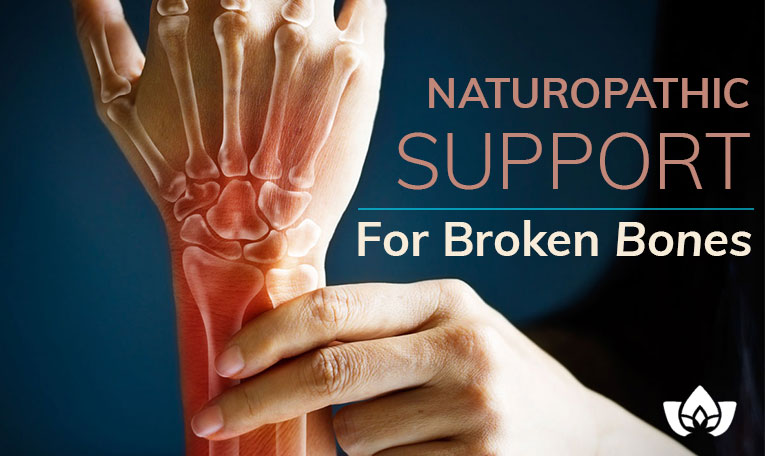
Naturopathic Support For Broken Bones

Naturopathic Support For Broken Bones | Mindful Healing | Mississauge Naturopathic Doctor

Although not everyone will experience them, broken bones are a common occurrence.

Bones are a highly dynamic organ system; old bone is continuously being replaced by new bone.

When faced with a broken bone, we can utilize our body’s bone maintenance functions to optimize bone recovery.

At the Mindful Healing Clinic, we utilize naturopathic healing methods tohelp heal broken bones quicker.

What methods are available, and can they help heal your broken bones?

Before we talk about that, let's find out how your bones heal themselves in the first place.

How Do Your Bones Heal?

The moment a bone is fractured, the blood vessels in our bones cause clotting around the fracture, creating a temporary “plug”.

This is known as a hematoma, and if it's absent it could delay the early healing process of stable fractures.

A hematoma works by containing debris associated with the fracture and recruiting immune cells from surrounding tissue.

If blood is delayed in reaching the broken bone, chances of delayed healing increase by 46%.

The body’s next reaction is for the immune system to cue inflammation at the site of fracture.

Inflammation is vital in many of the body’s healing processes.

Once the broken bone is clotted and inflammed, the body will begin repairing the fracture site.

This is orchestrated by stem cells from surrounding tissues, blood, and bone marrow.

These cells begin to form new cartilage and bone.

Natural Support For Healing Broken Bones

When it comes to healing broken bones, your naturopathic doctor may not be the first person you think of.

And that's okay – when it comes to setting broken bones and getting you patched up, a medical doctor is your best bet.

However, there are natural support options available which could help your body heal faster in cases of broken bones.

What to do when you have broken bones | Mindful Healing | Mississauge Naturopathic Doctor

1. Eat A Diet Rich In Calcium And Magnesium

A diet high in calcium and magnesium is known as a “bone-building” diet.

The skeleton is composed of calcium as an essential component.

Eating foods higher in calcium can help bones heal naturally, and since the metabolism of calcium and magnesium are closely related, consuming magnesium-rich foods help maximize the benefits of calcium-rich foods.

Foods high in calcium include leafy greens and dairy products, such as:

● Broccoli
● Spinach
● Kale
● Yogurt
● Milk

The above foods are also high in magnesium, but other foods high in magnesium include:

● Almonds
● Avocados
● Flaxseeds and chia seeds
● Black beans

You can also take calcium and magnesium supplements, though it's a good idea to consult with your naturopathic doctor before beginning any supplementation.

2. Supplement With Vitamin D

Vitamin D deficiency often plays a role in broken bones, and vitamin D absorbed directly from sunlight is important for bone growth.

Studies are still being performed to determine the effectiveness of vitamin D supplementation in healing broken bones, but in a recent placebo-controlled trial, the supplementation of vitamins D3 and calcium on elderly people with reduced bone mass who experienced a fracture had a positive influence on bone healing.

In addition to being absorbed through sunlight, vitamin D can also be found in fatty fish, cheese, and egg yolks, as well as supplemented.

3. Acupuncture

Acupuncture can be used to treat broken bones by focusing your body’s energy on the break.

It can be used as a tool to help with pain management, and may possibly aid in the healing process.

In a recent study on bone fractures, acupuncture was found to aid in pain management while accelerating bone healing in certain cases.

Contact The Mindful Healing Clinic

You may not think of your naturopathic doctor when you think of broken bones, but we do have treatments which may help improve your body's ability to heal itself.

Naturopathic treatments are available for broken bones, depending on the specifications of your individual case.

If you have have broken a bone, contact me, Dr. Maria Cavallazzi, at the Mindful Healing Clinic.

During your initial appointment, you and I will sit down and talk about your broken bone, bone health, and any other health concerns you may have.

From there, we’ll create a treatment plan based on your unique health needs.

Contact the Mindful Healing Clinic to book your FREE 15-minute introductory session today!


Until next time,

Dr. Maria Cavallazzi is a medical doctor from Colombia where she practiced as a family physician for 8 years until she moved to Canada 16 years ago.


To see more info about health, wellness, and alternative medicine, please visit us here: naturopathy